by admin | Aug 24, 2012 | Cyprus
Nicosia is without a doubt the largest city of Cyprus, located at the centre of the island. Nicosia serves as home for the oldest and most beautiful museums as well theatres for performing arts. The old part of the city is bordered with parks and settings from the ancient world, while the new city holds its head high with many skyscrapers and work places.
Some major museums as well as tourist attractions that Nicosia has to offer are as follows:
Cyprus Museum
National Struggle Museum
Nicosia Municipal Arts centre
Leventis Municipal Museum
Byzantine Museum
Museum of the History of Cypriot Coinage
Ledra Observatory Museum
The Cyprus Classic Motorcycle museum
The Nicosia Municipal Theatre
The local sport of the island is football and tourists often make their way towards the home clubs to watch a quick game. The National Cyprus Football team has its dwelling ground at the Nicosia stadium.
To have a taste of the traditional Cypriot cuisine, Nicosia serves as an ideal place for it. For mouth-watering food in traditional settings as well as the newly developed love for McDonalds and majority of the famous franchises, tourists find all that in Nicosia. For men and women alike, various spas are available for a relaxing massage and if they’re looking for a night out at the movies, Nicosia offers an extensive diversity of cinemas as well. All in all, it’s a major tourist spot, bustling with visitors from all over the world, especially during summers.
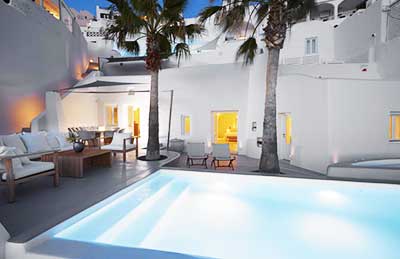
Highest Rated Hotels in Santorini:
Best Hotel in Oia: Maregio Suites
Best Hotel in Fira: Cosmopolitan Suites
Best Hotel in Imerovigli: Grace Santorini
Best Hotel in Firostefani: Tsitouras
Best Hotel in Perivolos: Orabel Suites
Best Hotel in Perissa: Anastasia Princess
Best Hotel in Kamari: Sunrise Studios
Highest Rated Private Villas in Santorini:
Best Villa in Oia: Anemi House
Best Villa in Fira: Anteliz Villa
Best Villa in Kamari: Eolia Villa
Best Villa in Pyrgos: Sensation Villa
Best Villa in Akrotiri: Cavo Ventus
Best Villa in Firostefani: Villa Aura
Best Villa in Imerovigli: Grace Villa
Our Readers Said:
“Just added this to my favourites!”
“I don’t know if I will have to go anywhere else for information!”
“Better than a travel guide!”
WHO ARE WE:
SantoriniSecrets.com is the largest and most informative website for all things Santorini maintained by local travel bloggers who love Greece and its islands more than anything else in this world. Some of us were actually born in Santorini and some others have spent many months not only visiting the island but actually living on it for long periods of time. We are not just visitors.
We consider ourselves the tipsters of this magical place.
WHAT YOU REALLY NEED TO KNOW ABOUT SANTORINI:
- BEST HOTELS IN SANTORINI (the best and worst areas to stay, where to stay if you are a solo traveller, the best honeymoom hotels etc)
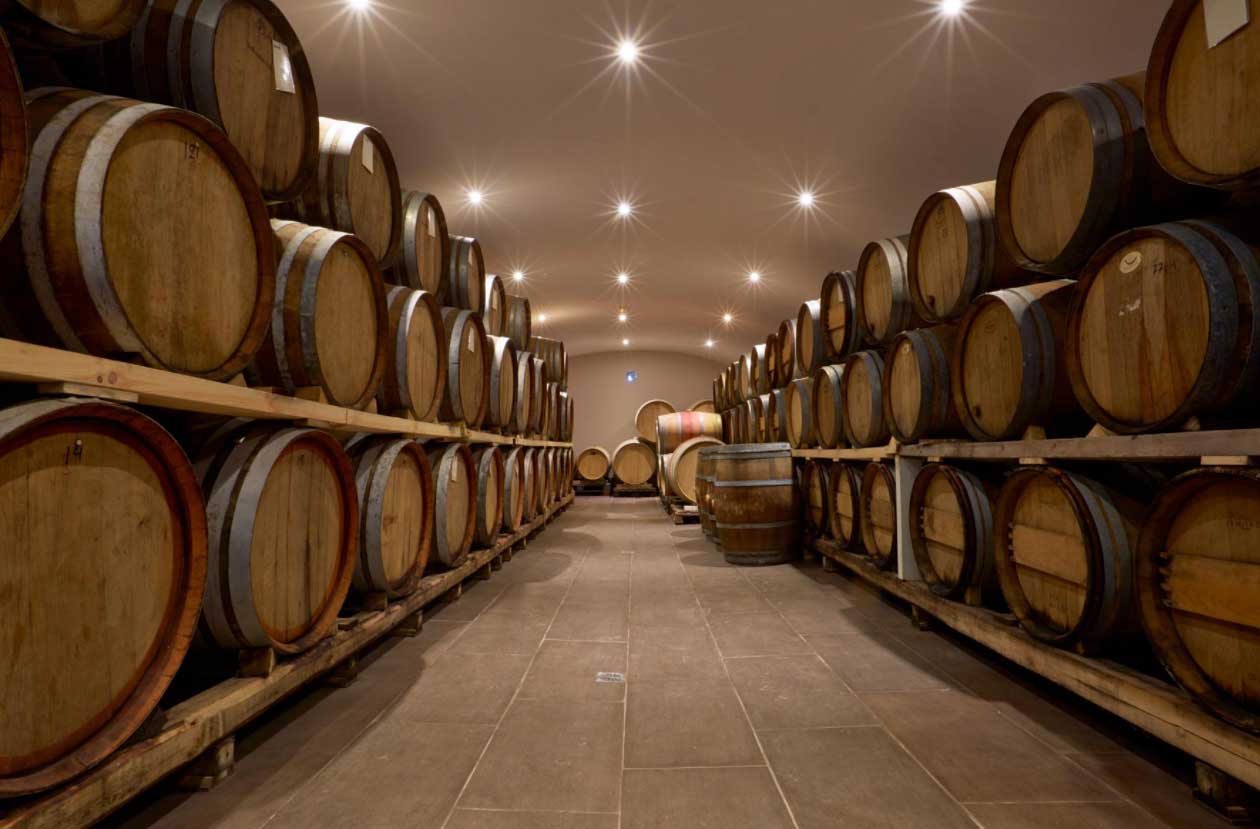
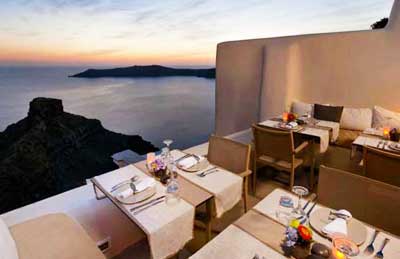
- SANTORINI FOR FOODIES (artisanal wineries, secret restaurants, best street food and more)
- EXPERIENCE SANTORINI (things to do, secrets spots, best sunsets, secret bars and clubs, hiking, activities, tours)
What is lorem ipsum? how does it work?
Lorem Ipsum is simply dummy text of the printing and typesetting industry. Lorem Ipsum has been the industry’s standard dummy text ever since the 1500s
What is lorem ipsum? how does it work?
Lorem Ipsum is simply dummy text of the printing and typesetting industry. Lorem Ipsum has been the industry’s standard dummy text ever since the 1500s
What is lorem ipsum? how does it work?
Lorem Ipsum is simply dummy text of the printing and typesetting industry. Lorem Ipsum has been the industry’s standard dummy text ever since the 1500s
What is lorem ipsum? how does it work?
Lorem Ipsum is simply dummy text of the printing and typesetting industry. Lorem Ipsum has been the industry’s standard dummy text ever since the 1500s
by admin | Aug 24, 2012 | Cyprus
Cyprus is one of the top places for tourism in the world and occupies a prime spot in its economy. Over 50% of the tourism comes in the form of people coming in from the Great Britain, to breathe into the history and see the roles that their ancestors played in the makings of this island.
Here is an overview of Cyprus’s major traveler attractions, which keeps the tourists occupied for most of their visit, captivating them for endless hours, not to forget having a unique attraction for them to see every day.
Ayia (Agia) Napa:
The name Ayia Napa means “holy wooden valley” in Greek. During division of Cyprus in 1974, Ayia Napa served as a miniscule fishing settlement with only two houses and a plain church. Now it’s the biggest tourist attraction of Cyprus, especially for party animals and clubbing freaks, hence no tour is complete to this island without having a go at Ayia Napa. The entire village-turned-town has its exteriors modified like those of ancient times, giving the aura of the olden days back when it was a rural community with dodgy names for clubs and discos. The Nissi beach is where people prefer to sleep their hangovers off during the day, lying under the sun and repeat the same routine during nights, dancing their hearts out at the moonlit coastline.
Ayia Napa also offers a variety of water sports such as water skiing, scuba diving, deep-sea diving, speed boating, wind surfing and canoeing to name a few. Harbor beach is another beach at Ayia Napa, where youngsters like to gather around for a tan or a quick game of volley ball.
Lemesos / Limassol
Lemesos or Limassol is where the famous Cyprus University of Technology located along with many museums and archeological sites. A large marina and fishing point being constructed is near it, attracting the tourists more towards Lemesos. It is also the trade and service providing centers’ in the area.
Lemesos is built between two cities, Amathus and Kourion and its tourist strip now glides east along the shoreline as far as Amathus.
by admin | Aug 24, 2012 | Uncategorized
The British marched their way right into the territory almost as soon as the Ottoman Empire came to an end. A concurrence established between them and the Turks, that the residing community would have power over most of the native colony while the management matters would be looked over by the British. The foreign invaders wanted to have adequate power so that they’d secure a calculated settlement from where they could keep an eye on martial and marketable movements.
The British rule was welcomed with enthusiasm from the Greeks, as they assumed that eventually the result would be in their favor in the form of Cyprus uniting with Greece. The Turks, however, were less fervent. The British put together an action plan of uniting Cyprus with Greece in early 1915, on condition that Greece completed its treaty formalities towards Serbia when it was attacked by Bulgaria. The Greek government opposed this law and the offer of uniting Cyprus with Greece was never extended towards them again.
Each government in Greece and Turkey began to take active interest in political matters and regulations established by the British. In 1959, The Greek control and the Turkish supervision met in Zürich, to reach a negotiation. They drew the conclusion that independence would be granted to the island under assured state of affairs that would be satisfactory for both sides.
Cyprus would not enter into any sociopolitical union as well as economic issues with both the countries, nor would it ask for a partition. Political powers were shared with both the countries.
The three countries, Britain, Greece and Turkey were guaranteed powers of Cyprus, which means any matter to be discussed or solved would go straight to them, making sure that by prevailing in their matters, the independence of Cyprus was not breached in any way.
by admin | Aug 24, 2012 | Uncategorized
The Ottoman Empire suppressed the churches and opposed the Catholic faith and hence restored the mainstream chain of command. Taxes were fluctuating, sometimes higher than usual, sometimes lower, and collected by Archbishop during that era. Turks were a lot in number by then, around twenty thousand of them settled in Cyprus, but even then the top ruling priorities did not lie in the hands of the kings.
Corruption and apathy were widespread during the ottoman period and peace was nowhere found. The rule lasted for approximately 300 years before another alien force marched its way into the island, preparing to take over.

by admin | Aug 21, 2012 | Uncategorized
When the two cities of Cyprus were ruined in colossal earthquakes, the Byzantine Empire came into existence. Constantinople, wherein the empire first established its rule, was mainly of Catholic faith. Many Architectural buildings were constructed with gigantic halls served as meeting places. The new city was the capital of Cyprus.
Constantinople was named after the great Constantine, although he preferred to call it New Rome. “Polis” was the name given to it by the Greeks, which means “to the city” whereas for the Turks, it is now city of Istanbul, situated at the Heart of Turkey. The real Byzantine period started in 395 AD, when the Roman Empire divided into two, and the new domain was developed into the Eastern wing. As expected Cyprus was a part of the eastern territory and it remained like that for almost nine centuries.
The main important event during this period was spreading of the Christian faith. People were usually busy in practicing religion and strengthening their ways of leading a God-fearing life. Political situations were extremely peaceful until the Arab invasion. During this time, the Archbishop made several discoveries, which were quite successful in bringing people under the united banner of Catholic faith even more.
In 649 AD, the Arab sailed their way into the island and made it a point to make it their own, but they suffered such a great defeat in trying to drive the existing empire away, that a treaty was signed in which there was a pact of surrendering to the Byzantine empire and going according to their rules, however, in 683 AD, the second Arab invasion took place and destroyed the island again. This time the Arabs were equipped with an army of more than ten thousand men and the Muslim fort was withdrawn. In 688 AD battalions were not to be seen and Cyprus acknowledged as a neutral state, the collected taxes being divided equally among the Arabs and the Emperor.
Nicephorus Phokas, the Emperor of the Byzantines, finally declared the island as free in 965 AD.